
Stroke: a silent threat to watch out for!
I believe that many people are familiar with stroke or Stroke. When it comes to this disease, it is necessary to constantly monitor and observe your own symptoms. It is a silent threat that can have serious consequences on our lives.
forStrokeCerebral ischemia, which is caused by a stroke, blockage, or rupture, causing brain cell death, resulting in physical disability and cognitive disorders, if not treated promptly, can lead to permanent disability or death.
What is the condition of stroke?
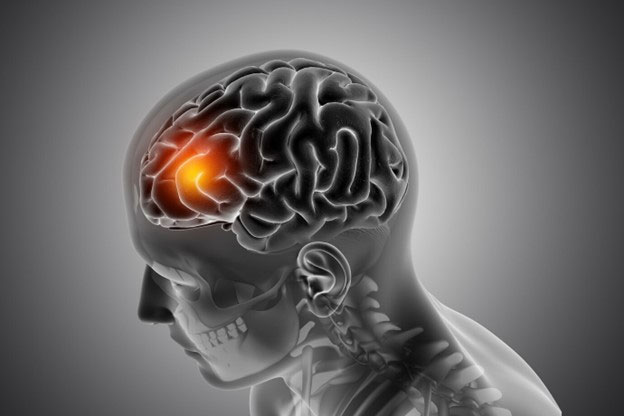
When a stroke breaks out, brain cells are deprived of oxygen and nutrients, causing the death of part of the brain cells, thus affecting the functioning of the body. The parts that the brain controls, such as movement, speech, perception, and memory, however, depend on the location and size of the brain area that is damaged.
Causes of Stroke
- Atherosclerosis: caused by the accumulation of fat, cholesterol, and other substances within the walls of blood vessels, causing blood vessels to narrow and harden.
- Blood clots: blood clots that occur in other parts of the body's blood vessels may slip away, clogging the cerebral vessels.
- Ruptured blood vessels: caused by high blood pressure, making blood vessels brittle and easily ruptured.
- Other risk factors: This is caused by a variety of diseases we have, such as hypertension, diabetes, heart disease, hyperlipidemia, including smoking, alcohol consumption, lack of exercise, age, and genetics.
Warning signs of stroke
Stroke, if not treated in a timely manner, can have serious consequences for the body, so observing yourself and making changes in lifestyle habits can help avoid the development of this disease. In general, the symptoms that can be observed are as follows:
- Weakness: feeling of numbness or weakness in one side of the face, arms, or legs.
- Difficulty speaking: speaking clearly, stuttering or cluelessness.
- Double vision: blurry vision or double vision.
- Dizziness: feeling numb or out of balance
- Severe headache: the most sudden and severe headache ever.
- Confusion: feeling confused, puzzled, or unable to understand what is happening around you
If several of these symptoms are observed in combination, seek medical attention immediately, as prompt treatment reduces brain damage and increases the likelihood of recovery.
How to prevent disease
- Control risk factors: control hypertension, diabetes and hyperlipidemia.
- Behavior modification: No smoking, reduced alcohol consumption and weight control.
- Exercise regularly: exercise at least 30 minutes per day, 5 days per week.
- Eat wholesome foods: focus on vegetables, fruits, whole grains, and fish protein.
- Routine health checkup: health checkup to identify and treat various diseases that are risk factors.
Methods of treatment
Treatment for stroke will depend on the type and severity of the disease, with the goal of reducing brain damage and restoring body function.
Treatment in acute phase:
- Thrombolysis: Use anticoagulants to open clogged blood vessels.
- Endoscopy: use medical instruments to remove blood clots from blood vessels.
- Surgery: surgery is used to close broken blood vessels or dilate constricted blood vessels.
Chronic treatment:
- Rehabilitation: Physical therapy, speech therapy, and occupational therapy are used to help patients restore their motor, speech, and everyday abilities.
- Medication: Medication is used to prevent blood clots, lower blood pressure, and lower blood lipid levels.
Note: This article is for general information purposes only. It should not be regarded as medical advice. If you have further questions, you should consult your doctor directly for proper diagnosis and treatment.